Discover Victorian Herbal Remedies
Welcome to our Historical Remedies page! Immerse yourself in the timeless wisdom of Victorian-era herbalism with our beautifully crafted Victorian Herbal Remedies Kit. This kit, featuring exquisite vintage-style packaging, allows you to create authentic teas, tinctures, and salves using high-quality herbs and traditional techniques. Perfect for natural healing enthusiasts, history buffs, and anyone looking to explore the charm of Victorian medicine.
What’s Inside the Kit?
The Victorian Herbal Remedies Kit includes everything you need to recreate authentic Victorian-era remedies. Here’s a detailed look at what’s inside:
Herbal Teas:
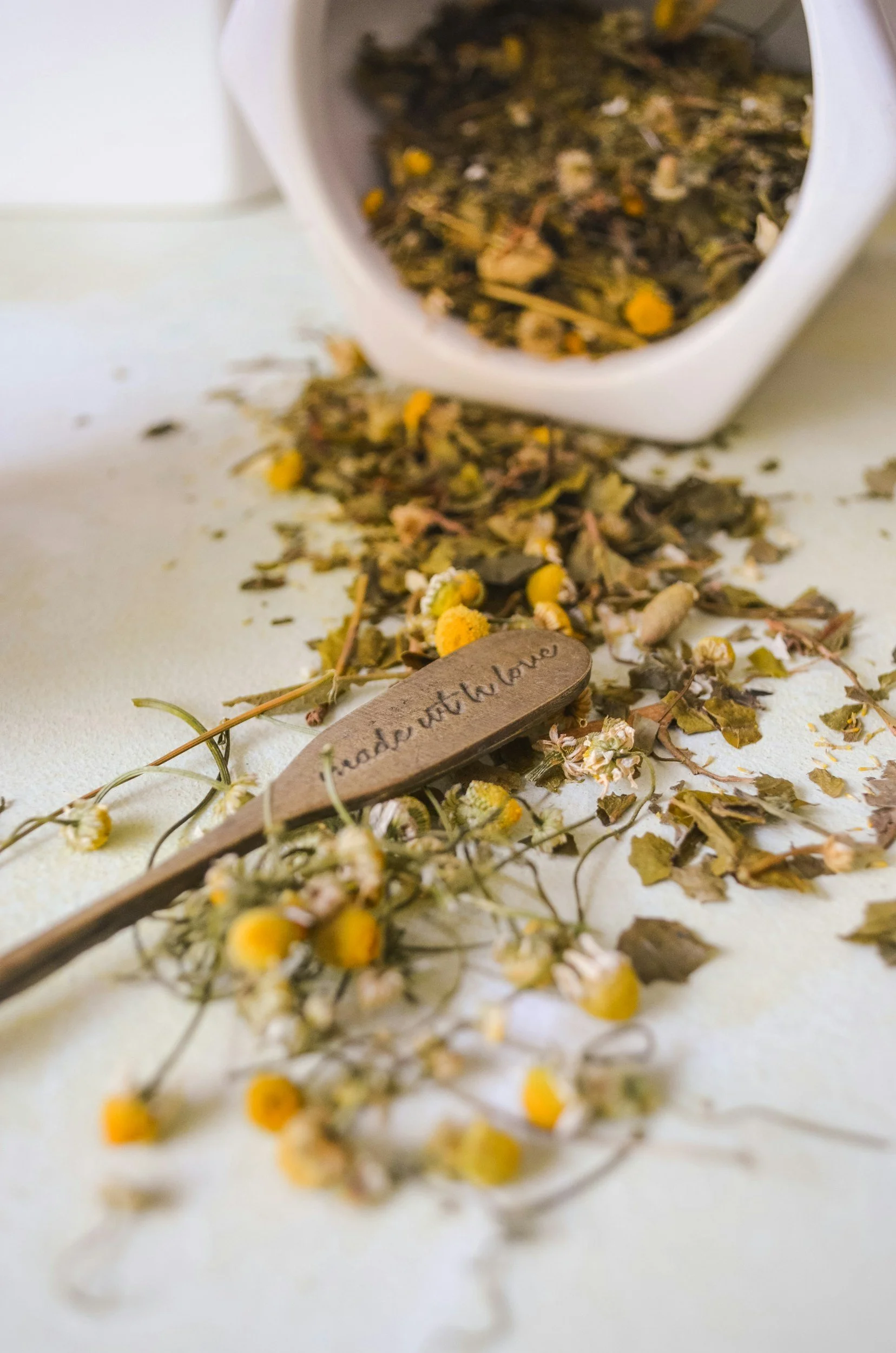
Dried Herbs: A selection of high-quality dried herbs, such as chamomile, peppermint, and lavender, for creating soothing herbal teas.
Recipes: Instructions for various herbal tea blends, including calming and digestive blends.
Tinctures:
Herbs for Tinctures: Specific herbs like echinacea and elderberry, known for their immune-boosting properties.
Preparation Guide: Step-by-step instructions on how to prepare and store tinctures.
Salves:
Salve Ingredients: Beeswax, coconut oil, and a blend of healing herbs like calendula and comfrey.
Salve Recipes: Detailed guidance on making and using salves for various skin ailments.
Kit Features:
Vintage Packaging: Elegant and timeless design, perfect for gifting or displaying.
Easy Instructions: Detailed guides to help you recreate remedies with ease.
High-Quality Herbs: Sourced from trusted suppliers to ensure potency and safety.
This kit offers a perfect blend of historical charm and practical use, allowing you to explore the fascinating world of Victorian herbal remedies.
How to Use the Kit
Our Victorian Herbal Remedies Kit is designed to be user-friendly, whether you are a seasoned herbalist or a curious beginner. Here's a step-by-step guide on how to use it:
Herbal Teas:
Choose Your Herbs: Select the dried herbs you'd like to use. Some popular choices included in the kit are chamomile, peppermint, and lavender.
Measure the Herbs: For a single serving, use about 1-2 teaspoons of dried herbs.
Boil Water: Bring water to a boil, then let it cool slightly before pouring over the herbs.
Steep: Place the herbs in a tea infuser or directly into a cup. Pour the hot water over the herbs and let it steep for 5-10 minutes.
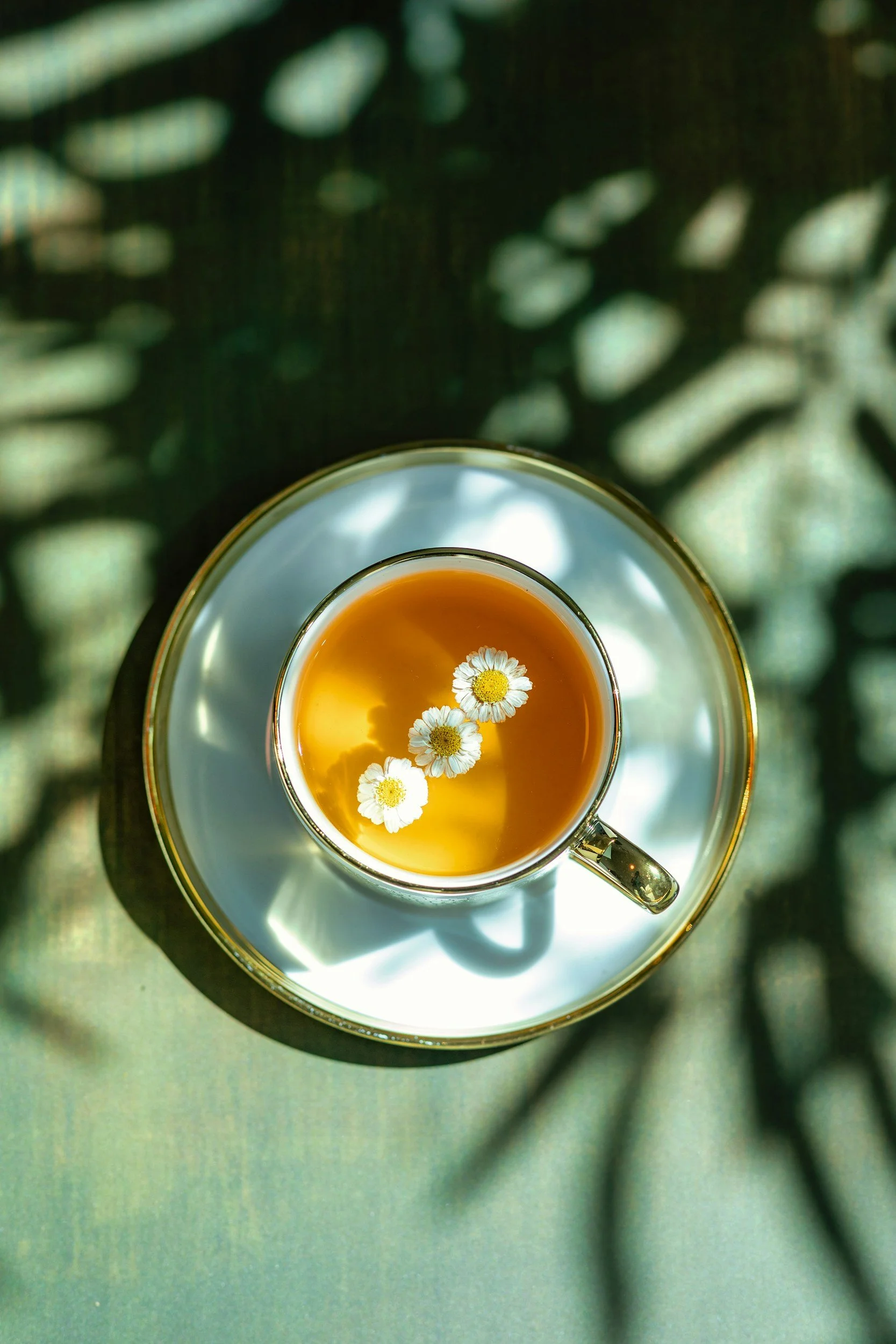
Enjoy: Strain the herbs (if necessary) and enjoy your soothing herbal tea.
Tinctures:
Prepare Your Herbs: Chop or crush the herbs to increase their surface area.
Choose Your Solvent: Common solvents include alcohol (vodka, brandy) or apple cider vinegar for a non-alcoholic option.
Combine Herbs and Solvent: Fill a jar about 1/3 full with the herbs, then cover with the solvent, leaving some space at the top.
Steep: Seal the jar and store it in a cool, dark place. Shake it gently every day. Let it steep for 4-6 weeks.
Strain and Bottle: After steeping, strain the mixture through a fine mesh sieve or cheesecloth into a clean jar or bottle. Your tincture is ready to use!
Salves:
Prepare the Herbs: Infuse the herbs in a carrier oil (like olive or coconut oil) by gently heating them together for a few hours.
Strain the Oil: After infusion, strain the herbs out of the oil.
Melt the Beeswax: In a double boiler, melt the beeswax.
Combine: Slowly add the infused oil to the melted beeswax, stirring constantly until well mixed.
Pour into Containers: Pour the mixture into small jars or tins and let it cool and solidify.
Tips and Tricks
Label Your Creations: Always label your teas, tinctures, and salves with the ingredients and date of preparation.
Store Properly: Store teas in airtight containers, tinctures in dark glass bottles, and salves in cool, dark places to maintain potency.
Benefits of Historical Remedies
Exploring historical remedies, particularly those from the Victorian era, offers several intriguing benefits:
1. Natural Healing
Victorian herbal remedies are made from natural ingredients, often gentler on the body compared to synthetic medications. These remedies utilize the healing properties of plants, which have been used for centuries to treat various ailments.
2. Holistic Approach
The Victorian approach to herbal medicine considered the whole person rather than just treating symptoms. This holistic method often led to more comprehensive and lasting health benefits.
3. Cultural Heritage
Using Victorian remedies connects us to a rich cultural heritage. It allows us to appreciate and honor the wisdom of past generations who relied on the natural world for healing.
4. Sustainability
Many of the herbs used in Victorian remedies can be grown at home, making them a sustainable option for natural healing. This reduces reliance on commercially produced medications and their associated environmental impact.
5. Educational Value
Learning about and preparing historical remedies can be an educational experience. It provides insight into the history of medicine and the evolution of healthcare practices.
6. Economic Benefits
Herbal remedies are often more affordable than modern pharmaceuticals. By making your own remedies, you can save money while enjoying effective, natural treatments.
7. Empowerment
Creating your own remedies can be empowering. It gives you a hands-on understanding of herbal medicine and a sense of accomplishment from crafting your own health solutions.
By delving into the world of Victorian herbal remedies, you not only embrace a natural and sustainable approach to health but also connect with the historical practices that shaped modern medicine.