Historical Makeup
Trends
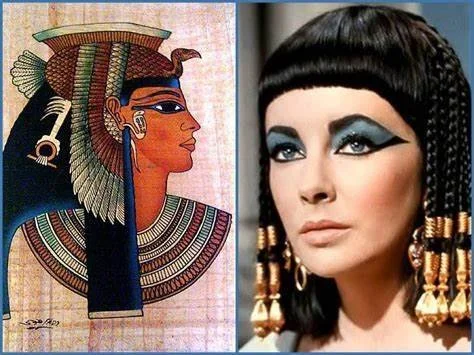
Ancient Egypt (C. 3000 BC)
Signature Look: Kohl-lined eyes, vibrant eyeshadows, and red ochre for lips and cheeks.
Purpose: Makeup was used for beauty, protection from the sun, and spiritual significance.
Materials: Ground minerals, crushed insects, and plant pigments.
Ancient Greece and Rome (C. 500BC-476 CE)
Signature Look: Natural and subtle makeup for Greeks; more elaborate cosmetics for Romans.
Purpose: Greeks valued natural beauty, while Romans used makeup to signify wealthy and status.
Materials: Olive Oil, crushed berries, charcoal, lead powders and crushed flowers.
Middle Ages (5th-15th Century)
Signature Look: Pale Complexion, minimal makeup
Purpose: Modesty and purity, influenced by the Catholic Church.
Material: White powders made from lead or chalk, simple lip balms.
Renaissance (14th-17th century)
Signature Look: Pale Skin, rosy cheeks and defined eyes
Purpose: Emulating beauty ideals portrayed in art
Materials: Lead-based cosmetics, natural pigments
Victorian Era (1837-1901)
Signature Look: Natural skin color, minimal makeup
Purpose: Makeup linked to actresses and prostitutes
Materials: Beet Juice for lips, rice powder for noses, clear pomade for lips